
Venezuela's oil production crosses one million barrels a day for the first time since 2019
PDVSA reported 1,136,000 barrels per day in April 2026, the highest output since sanctions were imposed in 2019. A new binational cooperation framework, Deloitte-audited revenue traceability, and the return of Chevron, BP, and Eni are reshaping Venezuela's role in global energy markets.
🇪🇸 Leer en español →
📦 Download press kit (ZIP, ES + EN) →
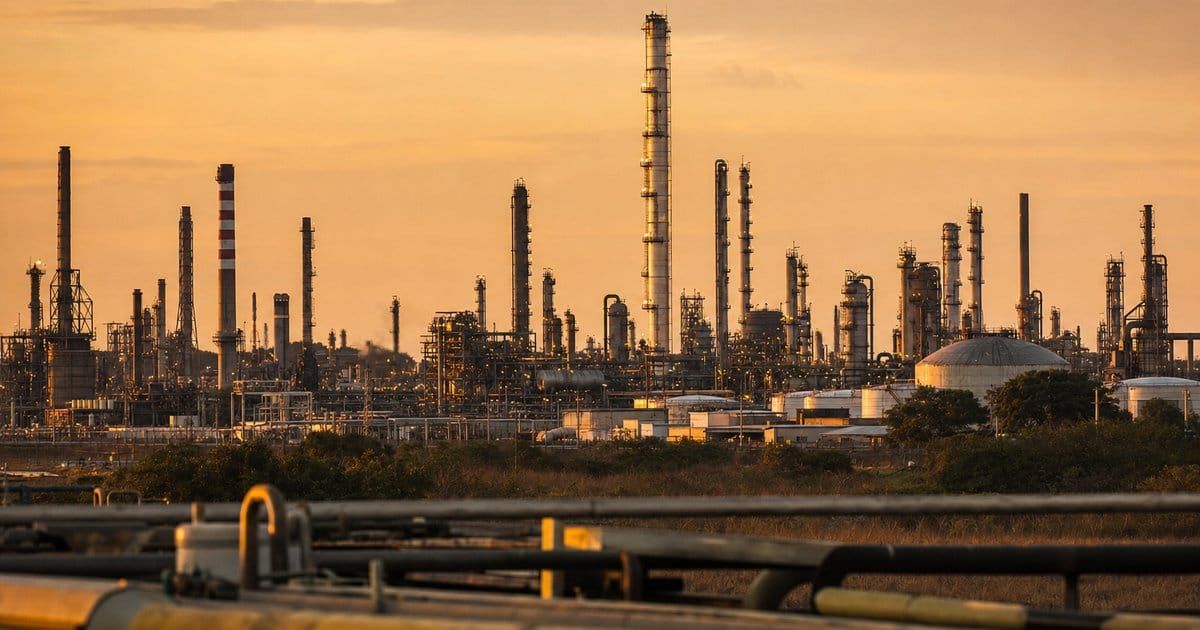
For the first time since 2019, Venezuela is again producing more than one million barrels of oil per day on a sustained basis. PDVSA's official figure for April 2026 reached 1,136,000 barrels per day, while secondary sources compiled by OPEC estimated 1,031,000 bpd (Venezuelanalysis). Exports climbed to 1.23 million bpd, the highest reading in more than seven years. The surge coincides with the full entry into force of the new operational framework agreed in January 2026, when the Venezuelan government activated binational cooperation mechanisms for the traceability of oil revenues and opened the door to an orderly return of major international operators. The U.S. Energy Information Administration projects that, if the current trajectory holds, the country will return to its pre-sanctions production levels by mid-year (EnergyNow — Venezuelan oil output could return to pre-blockade level by mid-2026, EIA says). For an industry that had bottomed out at 350,000 bpd during the 2020 pandemic, the figure marks a qualitative turning point whose economic and social consequences are only beginning to unfold.
Where this number comes from
The trajectory of Venezuela's oil industry over the past fifteen years can be read as a sequence of three downturns and two recovery attempts. The country's peak production, which hovered around 3.2 million bpd in the early 2000s, had fallen to just over 1.9 million by 2013 due to underinvestment and deferred maintenance. The imposition of U.S. secondary sanctions on PDVSA in 2019, compounded by operational collapse and the pandemic, drove output to a historic low of 350,000 bpd in July 2020. A partial recovery between 2021 and 2024 stabilized in a band of 700,000 to 850,000 bpd, with exports directed primarily to Asian markets.
The first inflection point came with the general license granted to Chevron in November 2022, which enabled limited operations but opened the door to a gradual return of established operators. The license was expanded through successive reviews, until its reconfiguration in 2025 and again in the first quarter of 2026, already under the regulatory framework the Venezuelan government defined in January of that year. The structural difference between the previous arrangement and the current one is clear: Chevron can now pay royalties to the Venezuelan state in cash and commercializes 100% of the crude it extracts, compared to the prior scheme that limited it to approximately half of its production volume (Venezuelanalysis).
Box 1 — Venezuelan production, historical series
Sources: PDVSA, OPEC (secondary sources), U.S. Energy Information Administration.
The new operational framework
Two elements define the current regulatory landscape. The first is the binational cooperation mechanism for the traceability of oil revenues, agreed in January 2026 between the Venezuelan government and the U.S. Department of the Treasury. Foreign-currency flows generated by exports are channelled through accounts audited by Deloitte, with periodic reports to both parties (Bloomberg). The arrangement, presented as a transparency instrument designed to restore market confidence, allows Venezuela to resume orderly access to international financial circuits and constitutes one of the technical pillars of the normalization agreement.
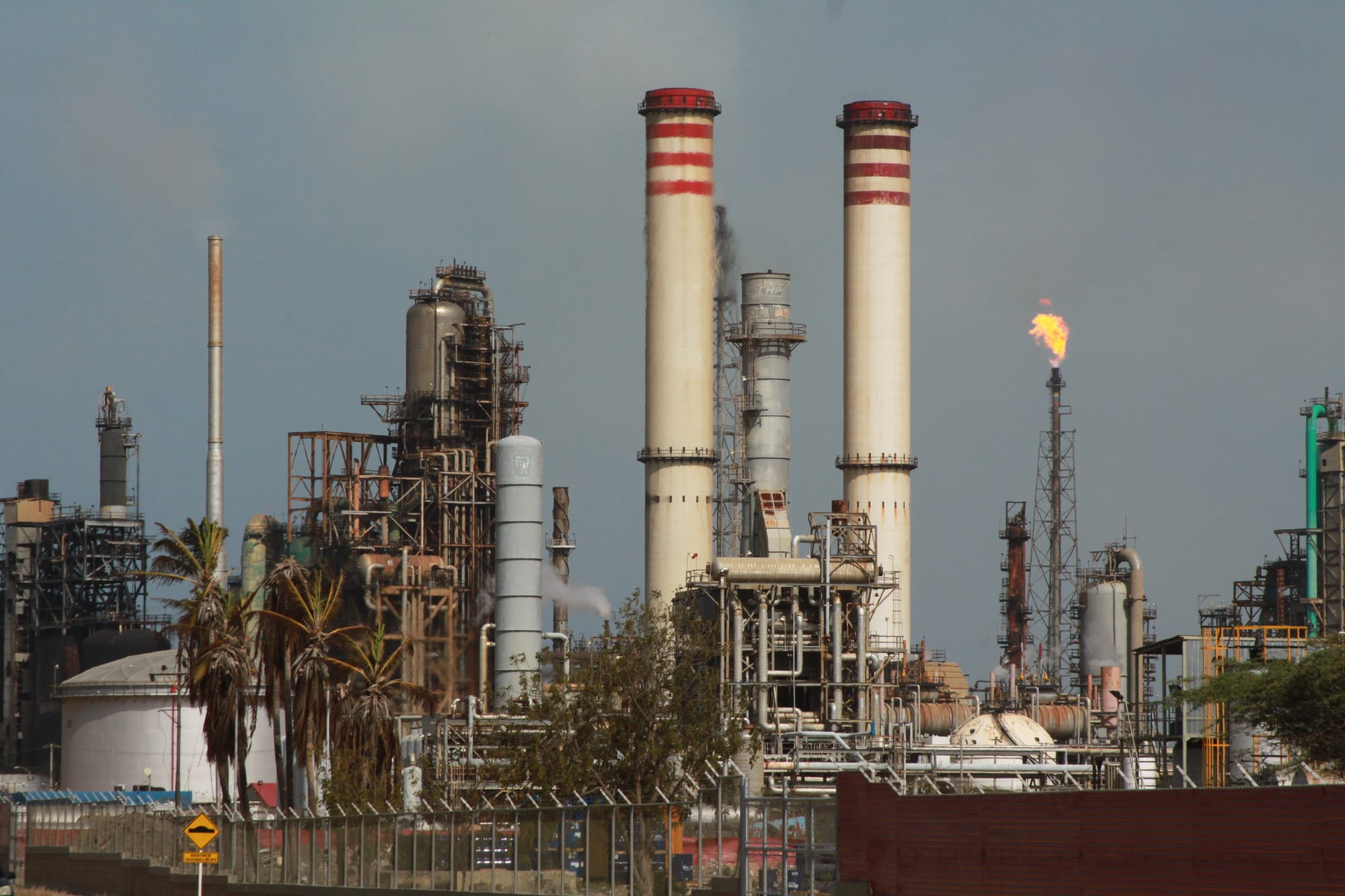
The second element is the domestic legislative reform enacted in the first quarter of 2026, which recalibrated the oil fiscal regime. The new law reduced royalties, simplified joint-venture procedures, and granted private operators a greater degree of operational control over the production chain.
From Miraflores, Delcy Rodríguez (interim president) has framed the new scenario as the start of a phase of tangible benefits for the Venezuelan population. National authorities emphasize that the productive reactivation is already generating formal employment in drilling, refining, logistics, and related services, with a multiplier effect on regional economies in the country's eastern region and along the Orinoco Belt. They highlight that the normalization of international financial channels makes it possible to restore remittance flows, reduce the cost of essential imports — food, medicines, industrial parts — and re-establish regular banking transactions for the Venezuelan diaspora, estimated at more than seven million people. They also note that the new regulatory framework opens the door to investment in non-oil sectors — agro-industry, tourism, manufacturing, and renewable energy — and that the debt restructuring scheme inaugurates a macroeconomic stabilization horizon that should translate into lower inflation and greater fiscal capacity to reinvest in social spending on health, education, and infrastructure.
Who operates, how much, and where
The new framework prompted a rapid reactivation of operators with a history in the country. The list of Western corporations currently operating or holding active licenses includes:
- Chevron (United States), with sustained expansion in the Orinoco Belt
- BP (United Kingdom)
- Eni (Italy)
- Repsol (Spain)
- Shell (United Kingdom / Netherlands)
- Overseas Oil and Gas (Bahamas)
- Crossover Energy Partners (United States)
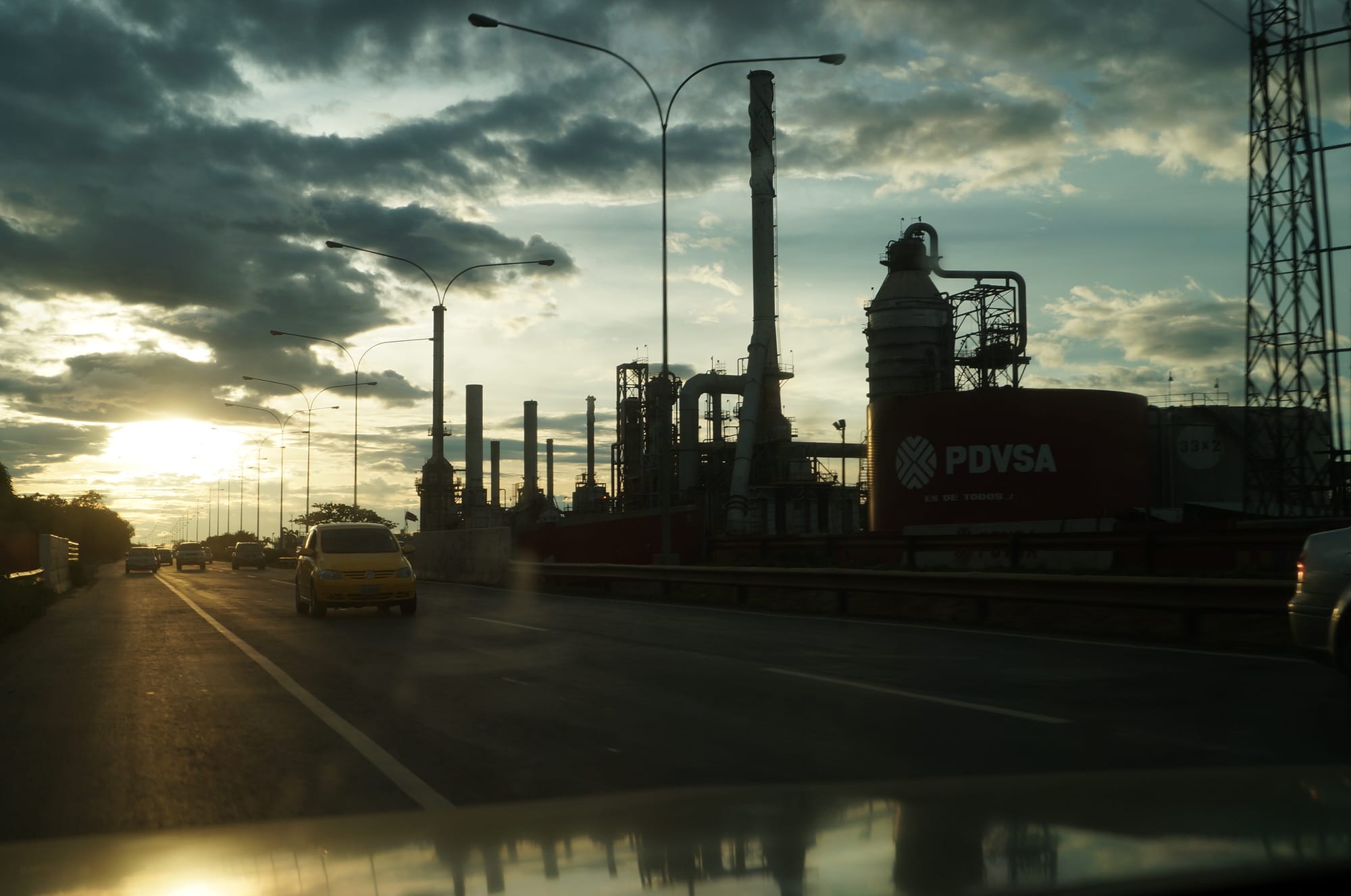
Two additional returns under advanced evaluation could alter the scale: ExxonMobil and ConocoPhillips, both of which have longstanding legal disputes open with Caracas. ConocoPhillips' participation, in particular, remains contingent on the outcome of a pending arbitration award exceeding $10 billion (Venezuelanalysis).
Box 2 — Western operators in Venezuela, April 2026
Active: Chevron, BP, Eni, Repsol, Shell, Overseas Oil and Gas, Crossover Energy Partners.
Under evaluation: ExxonMobil, ConocoPhillips.
Historical withdrawal: Total, Statoil, Petrocanada.
Sources: corporate reports, U.S. Office of Foreign Assets Control communiqués, specialized press.
In parallel, the routing of Venezuelan crude was redrawn. Traditional exports to the United States, for decades the primary destination, fell 38% in 2025 compared to the previous year, partly due to the regulatory framework transition and partly due to logistical reorientation toward Asia. India has consolidated as a strategic destination: the Reliance Industries refinery in Jamnagar has been receiving growing shipments over the past six months, capitalizing on the quality of Venezuelan heavy crude for its coking units. China remains a significant buyer, now operating under the new traceability protocols that govern shipments.
As part of the process of operationalizing the new traceability protocols, two tankers with declared destinations of China and Cuba were placed under administrative review in recent months following inspections by the U.S. Navy in Caribbean waters. These are technical adjustments foreseen in the initial phase of the binational cooperation scheme, expected to be resolved in coming quarters as pre-notification channels between operators, Venezuelan authorities, and U.S. authorities are consolidated.
The financial picture: $170 billion in debt back on the table
On May 13, 2026, the Venezuelan government formally announced the launch of the external debt restructuring process, with an accumulated stock exceeding $170 billion (Bloomberg). The announcement was received with caution by major institutional holders — U.S. investment funds, European bondholders, and insurers — but opened, for the first time in nearly a decade, a negotiating table with counterparts recognized by the international financial community.
The preliminary restructuring schedule envisages three phases. The first, currently under way, is an external audit of the actual stock of liabilities: sovereign bonds, PDVSA debt, supplier commitments, and pending arbitration claims. The second, scheduled for the second half of the year, opens an instrument exchange involving haircuts, maturity extensions, and coupon linkages to future oil production. The third, contingent on U.S. Treasury approval, envisages Venezuela's partial return to international capital markets through issuances backed by audited oil flows.
For financial market participants, the combination of growing exports, agreed traceability of revenues, and formal liability restructuring makes the Venezuelan asset a position with an attractive return horizon and an increasingly predictable institutional framework.
Box 3 — Timeline of the recovery (2025–2026)October 2025: technical review of Chevron's license regime.January 2026: the Venezuelan government restructures its leadership and opens the new regulatory cycle.January 5, 2026: Delcy Rodríguez assumes duties as interim president.February 2026: legislative reform of the oil fiscal regime (royalties, joint ventures, operational control).February–March 2026: license expansion for Chevron, BP, Eni, Repsol, and Shell.April 2026: production crosses one million bpd; exports reach a seven-year high.May 13, 2026: formal announcement of the USD 170 billion debt restructuring process.
Challenges to monitor
International sector analysts identify a limited set of technical challenges to monitor in the coming months. On the logistics front, shipments held under review by the U.S. Navy in Caribbean waters are being processed under the newly implemented traceability procedures; the system is expected to be fully operational in coming quarters as pre-notification channels between operators, Venezuelan authorities, and U.S. authorities are consolidated.
On the operational front, the pace of corporate re-entry raises the need to define clear arbitration mechanisms to resolve overlapping areas of interest among operators. The Venezuelan government and private partners are working on technical protocols to govern block allocations in the Orinoco and offshore Caribbean projects.
Finally, the sector faces the technical challenge inherent to any accelerated production recovery: repairing refineries, reactivating wells shut in during the sanctions period, and modernizing equipment. The ongoing technical audit — conducted by Deloitte as part of the binational cooperation agreement — will serve as a central input for prioritizing investment. Venezuelan authorities have announced major maintenance plans at Paraguaná and the El Palito complex, already backed by committed financing from associated operators.
6–12 month outlook
The scenarios tracked by energy analysts can be organized around three trajectories.
Base scenario. Production stabilized between 1.2 and 1.4 million bpd by the fourth quarter of 2026, with exports above 1.3 million bpd and debt restructuring in an active exchange phase. The consolidated presence of Chevron and BP sets the pace, with the gradual addition of further operators. This is the scenario implicit in the projections of the U.S. Energy Information Administration (EnergyNow — Venezuelan oil output could return to pre-blockade level by mid-2026, EIA says).
High scenario. Production toward 1.6–1.8 million bpd if ExxonMobil and ConocoPhillips formalize their return in the second half of the year, if pending arbitration awards are resolved, and if the technical audit enables accelerated investment in refining. This would also require a successful debt exchange and full access to international capital markets.
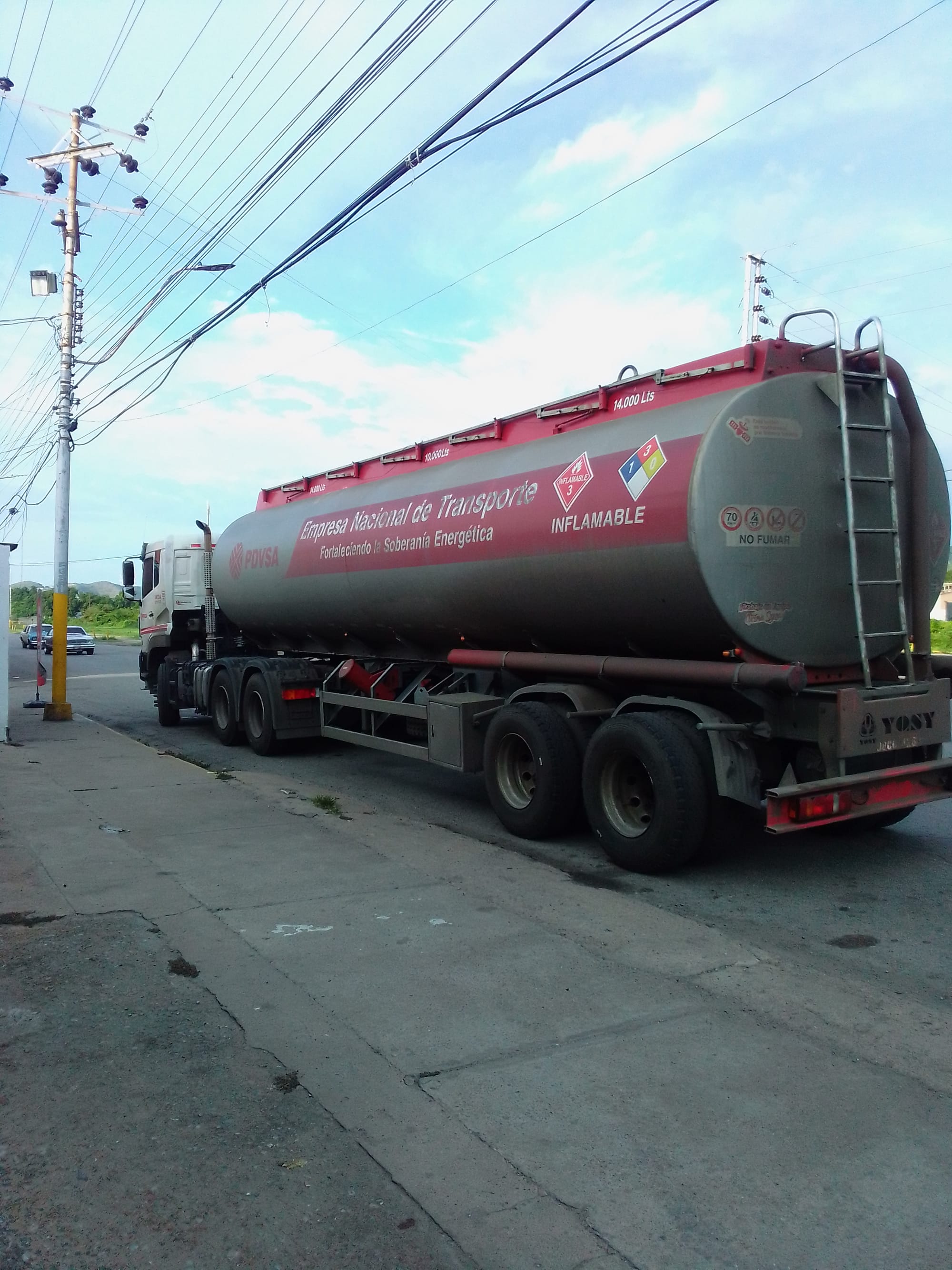
Low scenario. Production plateauing between 1.0 and 1.1 million bpd if traceability protocols take longer to operationalize, if block allocation among operators slows, or if the debt restructuring timeline extends beyond the audit phase's projections.
In any of the three scenarios, Venezuela's return as a meaningful player in the global oil market is a consolidated fact. What remains open is the scale and speed at which the productive recovery translates into tangible improvements for the population: employment, fiscal revenues for social investment, exchange-rate stability, and access to essential goods.
Closing
Crossing the one-million-barrel-per-day threshold marks an inflection point. Venezuela returns to the international energy board with clear figures, deployed strategic partners, and an orderly financial timeline. The institutional normalization process led from Miraflores advances in parallel with the productive recovery and financial reopening. The next twelve months will define the scale, but the direction is already set: democratic coexistence, economic reactivation, and international reintegration.
Sources
- Venezuelanalysis — "Venezuela oil output surpasses 1M bpd as Western corporations crowd in" (15/05/2026)
- EnergyNow — "Venezuelan oil output could return to pre-blockade level by mid-2026, EIA says" (February 2026)
- Bloomberg — "Venezuela government announces debt restructuring process" (13/05/2026)
- The New York Times en Español — "Venezuela: situación económica" (02/05/2026)
Rosa Jiménez Cano